
7 Sustainability KPIs Every Founder Should Track (But Most Don’t)
In 2026, sustainability is no longer just "good PR" it is a core requirement for doing business in Singapore. With the SGX and ACRA mandating climate-related disclosures for listed and large non-listed companies starting this year, the "Green Pressure" is trickling down to every SME in the supply chain.
If you want to stay competitive, secure green financing, or avoid being filtered out of major tenders, you need to track more than just your bank balance.
Here are the 7 Sustainability KPIs that most founders overlook, but 2026 leaders are prioritizing.
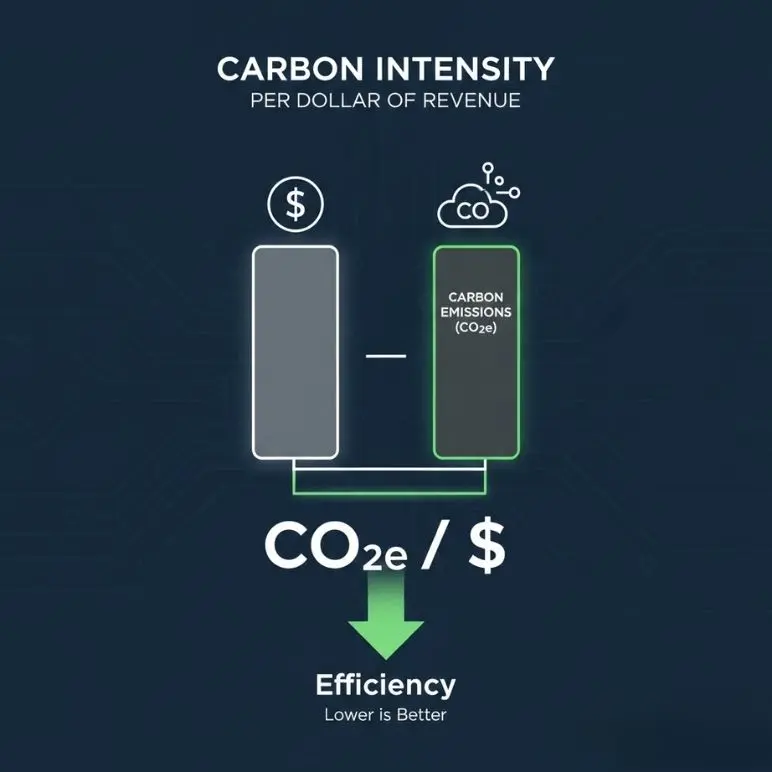
1. Carbon Intensity (Emissions per Unit of Revenue)
While large firms focus on absolute Scope 1 & 2 emissions, founders should track Carbon Intensity. This measures how "carbon-efficient" your growth is.
- Why it matters: It tells you if you are growing sustainably. If your revenue doubles but your emissions triple, your business model has a "Carbon Leak" that will attract higher carbon taxes in the future.
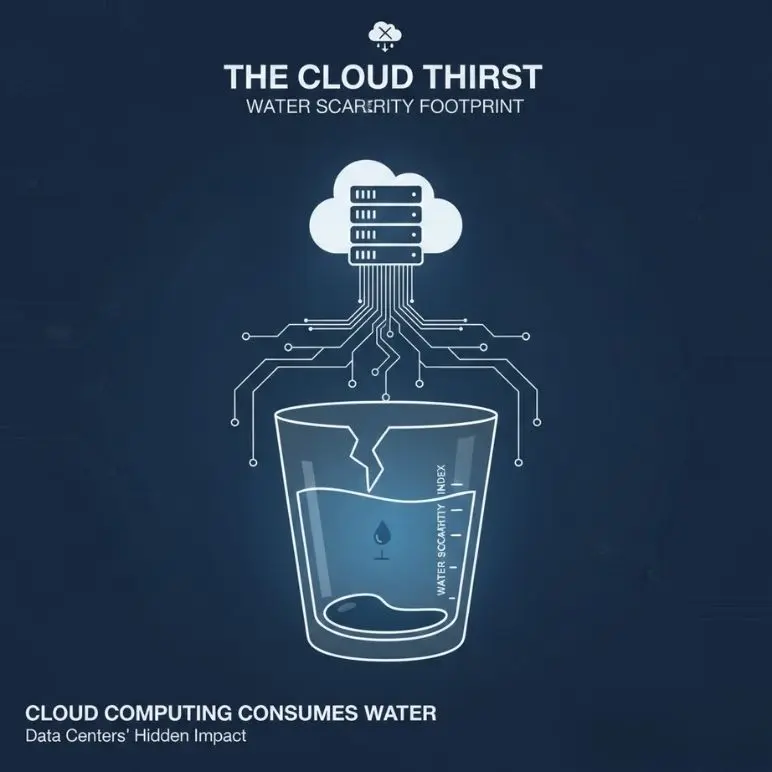
2. The "Cloud Thirst" (Water Scarcity Footprint)
With the AI explosion of 2025, we’ve realized the "cloud" isn't weightless—it’s thirsty. Data centers guzzle millions of liters of water for cooling. Founders in 2026 are now tracking the water intensity of their compute. If your product is built on LLMs, knowing the water stress of the regions where your servers sit is becoming a key risk metric.
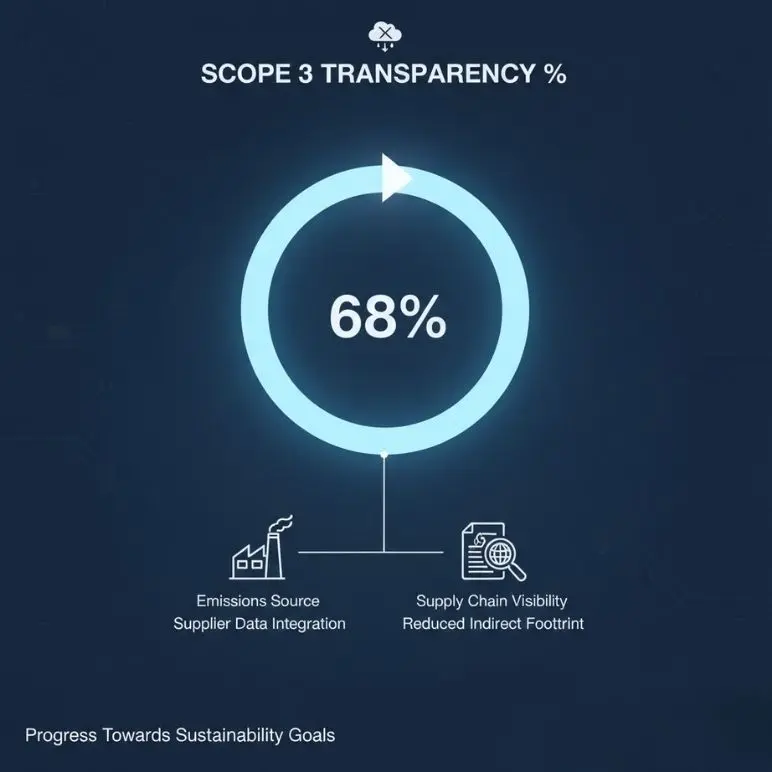
3. Scope 3 Transparency (%)
Scope 3 emissions (indirect emissions from your supply chain) are notoriously hard to track. In 2026, the biggest KPI isn't just the number, but the percentage of your suppliers who actually provide you with climate data.
- Founder Tip: Tracking this now ensures you aren't the "weak link" when your bigger clients come asking for data to satisfy their mandatory SGX reporting requirements.
- The KPI: What percentage of your vendors have provided verified carbon data? As global standards like the ISSB take hold, having a "grey" supply chain is a liability that will tank your valuation during due diligence.
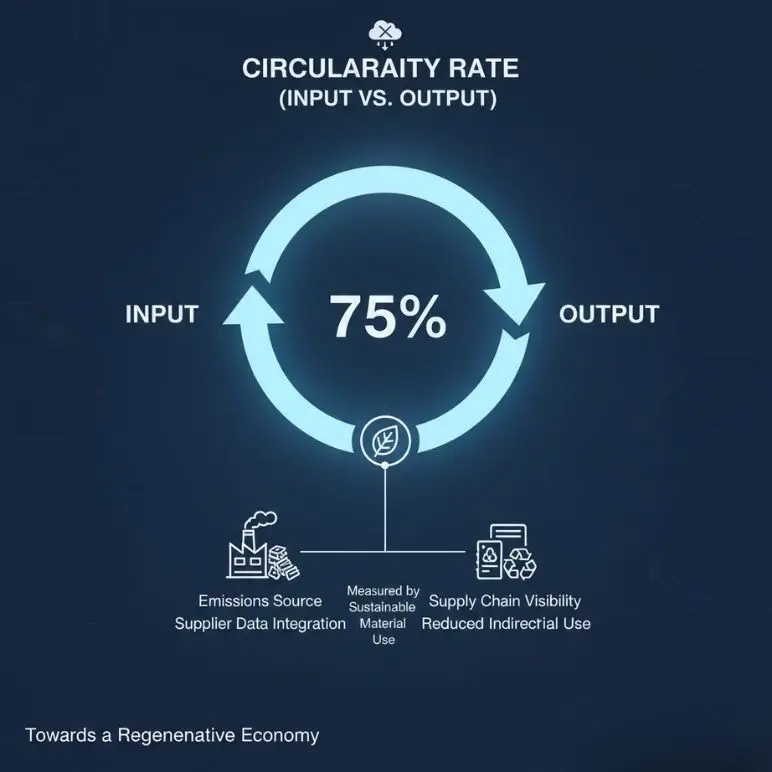
4. Circularity Rate (Input vs. Output)
Whether you sell hardware or software, you have a waste stream. This is the ultimate "Efficiency KPI" that distinguishes a modern founder from a legacy one.
- For Hardware: It’s the percentage of recycled or "upcycled" materials in your Bill of Materials (BOM).
- For Software: It’s the battle against "Digital Waste"—the energy consumed by redundant data storage, unoptimized cloud queries, and inefficient code that keeps servers running hot.
- Why it matters: A high circularity rate indicates a company that knows how to do more with less. In 2026, resource scarcity is real; the business that can "loop" its inputs is the one that survives supply chain shocks.
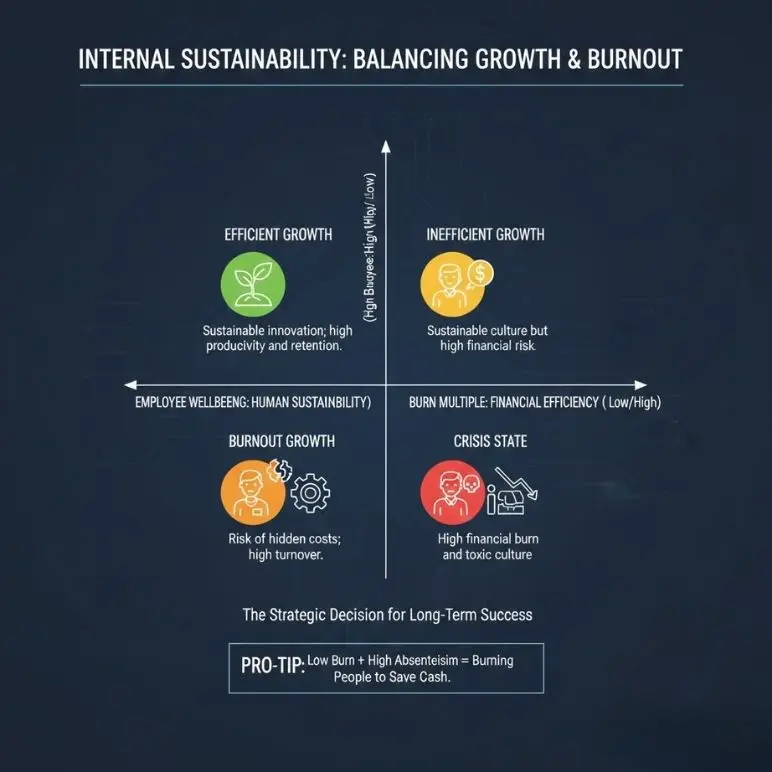
5. Employee Wellbeing & "Burn Multiple
Sustainability isn't a department; it's a culture. Tracking how many hours your staff spend on "Green Skills" training is a leading indicator of your long-term ESG success.
High turnover isn't just a culture problem; it’s a sustainability failure. Founders are now tracking the correlation between employee wellbeing scores.
- Why it matters: Companies with high internal "Green Literacy" are 3x more likely to successfully implement automation that reduces waste.
- "Burn Multiple." A team that is burnt out is a team that is burning cash inefficiently.
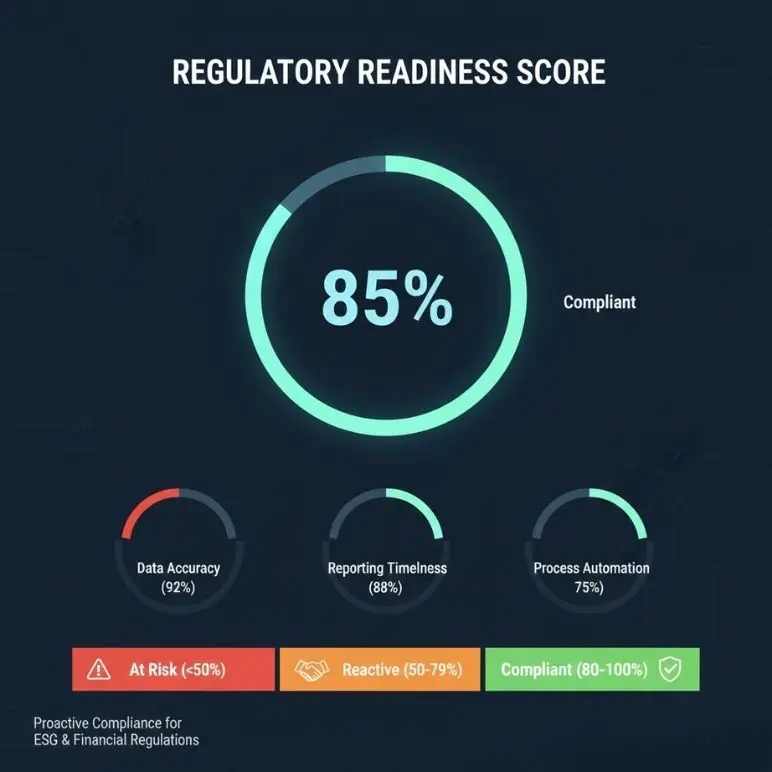
6. Regulatory Readiness Score
With mandatory climate disclosures based on the ISSB (IFRS S1 & S2) standards hitting Singapore, Australia, and Europe this year, compliance is no longer a moving target—it’s a baseline.
- The Metric: How many days would it take your team to produce an auditable ESG report today?
- The Shocker: If the answer is "a month of manual spreadsheet hunting," you don't just have a reporting problem; you have a Data Architecture problem. In 2026, sustainability data must be "always-on" to satisfy banks, auditors, and global supply chain partners who are now legally required to report on your emissions as part of their Scope 3 disclosures.
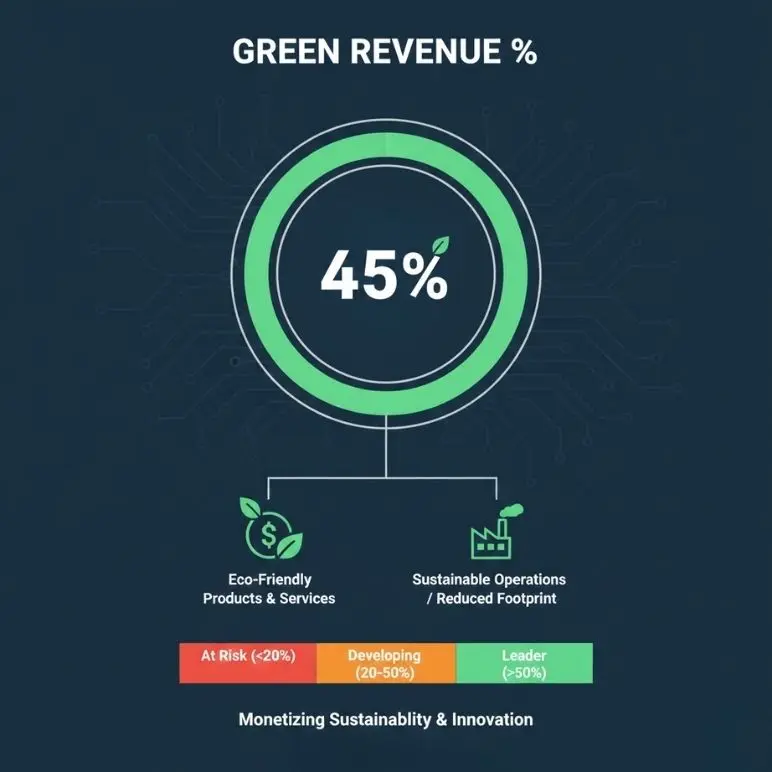
7. Green Revenue Percentage
What percentage of your total income comes from products or services that explicitly solve environmental or social problems?
- Why it matters: This is the ultimate "Future-Proof" metric. High Green Revenue scores make your business an attractive target for Sustainability-Linked Loans (SLLs), which offer lower interest rates for green-certified SMEs .
🏁 How to Automate the "Green Grind"
The biggest "bother" for founders in 2026 is the manual work of collecting this data. You shouldn't be chasing utility bills and supplier certificates in spreadsheets.
This is where All-in-One Automation changes the game. By integrating your operations into a Digital Core (ERP), these KPIs can be calculated in real-time.
- Your Utilities sync directly to your carbon intensity report.
- Your Supplier Portal automatically tracks compliance scores.
- Your Invoicing System flags "Green Revenue" for your bank.
Ready to turn sustainability from a "compliance headache" into a "competitive advantage"? Most founders don't realize that Enterprise Singapore currently funds up to 70% of the cost to build these reporting capabilities through the SME Sustainability Reporting Programme.
Contact Blue Plan.eco to start your Sustainability Readiness Audit Let’s build the digital core that makes your business and the planet run better.